
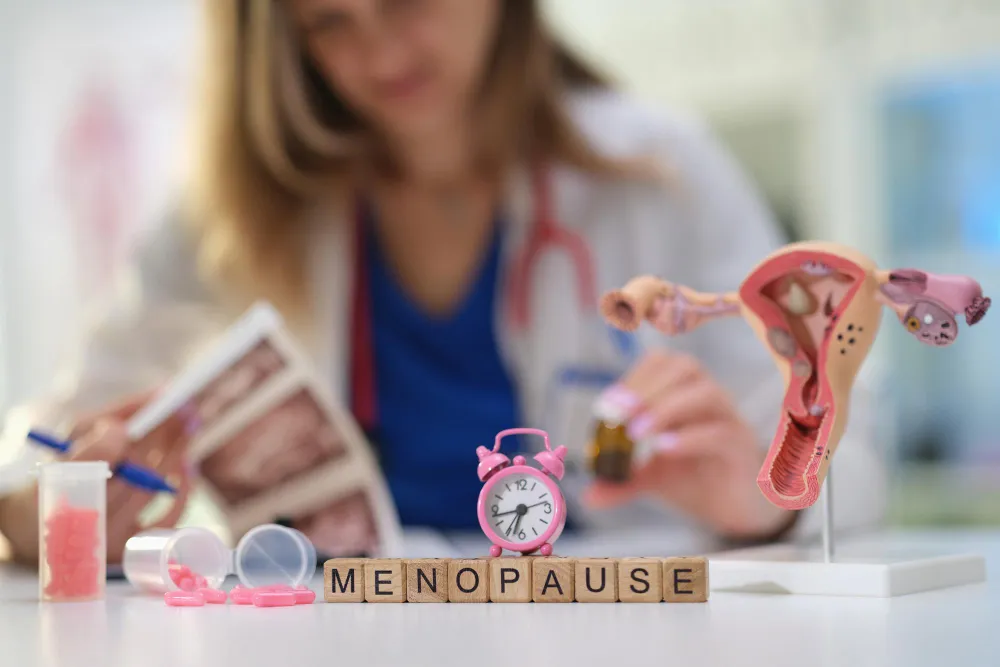
Menopause is a natural life transition for women, typically occurring between the ages of 45 and 55 (with an average age of around 51 in the UK). During this time, hormonal changes can cause a range of symptoms – from hot flushes and night sweats to mood swings, sleep disturbance, and joint pain. NICE notes that roughly 1.5 million UK women (about 80% of those going through menopause) experience these common symptoms. High-quality menopause care can make a big difference in quality of life. For UK women, this means access to expert clinics that follow evidence-based protocols. London’s services often align with NICE’s 2024 guideline goals, which explicitly aim to improve the consistency of support and information provided to people experiencing menopause.
Key Features of a High-Quality Menopause Clinic
The best menopause clinics in London share certain key features. They are typically specialist-led – for example, staffed by GMC-registered gynaecologists or women’s health doctors who have demonstrated specialist competency in menopause care. Many clinics follow a multidisciplinary model (jointly run by nurse consultants and physician specialists) and integrate into broader women’s health services.
Care is evidence-based: for instance, accredited clinics will follow NICE and BMS guidance on HRT and non-hormonal treatments. Clinics also emphasize patient-centred service – offering clear explanations, involving you in decisions, and often providing additional support tools such as helplines or online portals. (In fact, one London specialist service set up a nurse-led menopause helpline so women can get advice outside clinic hours, a model of patient convenience.)
Key elements of comprehensive care typically include:
- Expert consultations: You have the chance to have expert consultations with a specialist clinician, who will listen to your experiences and assess your health and symptoms. There are clinics available in London that advertise expert menopause consultations – this means you receive your consultation with a professional in menopause care. You can also easily access advice, such as via email or phone lines.
- Personalised treatment plans: Doctors tailor each woman’s plan to her unique needs and preferences. Plans may combine medications, lifestyle advice, and support. Clinics emphasise personalised menopause treatment plans – for example, choosing the right type and dose of HRT or selecting suitable non-hormonal alternatives – rather than using a one-size-fits-all approach.
- Comprehensive assessment: High-quality clinics conduct thorough assessments of overall health. This can include checking blood pressure and weight, and performing blood tests (for example, hormone levels or cholesterol), as well as bone density scans if indicated. They also review your family history (e.g., of heart disease or osteoporosis). This comprehensive menopause assessment ensures treatment is safe and appropriate – for instance, addressing bone or heart risks that can rise after menopause.
- Hormone Replacement Therapy (HRT): Most leading clinics offer expert HRT management . The NHS confirms that HRT is safe and effective for most menopausal women. It can relieve the majority of symptoms (hot flushes, brain fog, joint pains, mood swings, vaginal dryness) and even reduce long-term health risks like osteoporosis and heart disease. Clinics help women weigh benefits and risks. They offer all NICE-approved HRT options (e.g., patches, tablets, gels) and explain their effects.
- Non-Hormonal Therapies: For women who do not want or cannot use hormone therapy, the best clinics offer alternative treatments for menopausal symptoms based on evidence. These alternatives may involve medication (for example, the use of clonidine or gabapentin for hot flashes and antidepressants for mood symptoms, according to the NHS guidelines) along with suggestions for modifications in lifestyle habits. Other alternative therapies for support could be nutrition and exercise plans or methods for cooling or improving sleep habits.
- Psychological support: Menopause clinics understand the psychological effects of the menopause. They provide not only medical but also psychological aid to women, such as counseling, groups, or menopause coaches. The NHS states that cognitive behavioral therapy (CBT) can relieve symptoms of anxiety, low mood, hot flushing, and difficulty sleeping. NICE has recently introduced CBT for symptom management in menopause. Many services in London offer this type of therapy to help patients manage their symptoms.
- Continuous follow-up: Menopause follow-up care is not a one-time visit. The clinics will schedule a follow-up visit to evaluate your progress and make adjustments to your care plan. For instance, NICE guidelines recommend that your symptoms be assessed a few months after starting a new therapy, and then once a year. At that time, your blood pressure, weight, and any new or ongoing symptoms will be evaluated.
Hormone Replacement Therapy (HRT) in London Clinics
Hormone Replacement Therapy is a cornerstone of menopause treatment. London menopause clinics usually have dedicated HRT Services for this purpose. They will explain the different types of HRT (e.g., combined vs oestrogen-only, transdermal patches vs oral tablets) and help you choose based on your symptoms and medical history. The NHS notes that “using the right dose and type usually means your symptoms improve”. For example, HRT can dramatically reduce the frequency of hot flushes, often within weeks. Many clinics tailor the delivery method (patch, gel, tablet) to each patient’s lifestyle and risk profile.
These clinics carefully review the risks and benefits of HRT. The NHS points out that for most women, the risks are small and outweighed by the symptom relief. Specialists discuss personal factors (such as age and time since menopause) before prescribing. For example, if you still have a uterus, the doctor will prescribe combined HRT (oestrogen + progesterone) to protect the womb lining. If you have had a hysterectomy, only oestrogen is needed.
For women with complex medical histories, specialist clinics are crucial. NICE explicitly recommends that women with hormone-sensitive cancers (like breast cancer) or other complicating conditions should have access to a menopause specialist. London hospitals often have gynaecologists or breast consultants who collaborate with menopause clinics to manage these cases safely. In practice, clinics may run joint clinics with endocrine or breast teams to ensure comprehensive care.
Non-Hormonal and Supportive Treatments
However, if HRT is not an option or preferred, there are other successful treatments for women’s symptoms that clinics in London offer. For example, medication without hormones may be recommended. Hot flushes may be alleviated using certain medications such as clonidine or gabapentin. Additionally, low-strength antidepressants (SSRIs or SNRIs) may be used to alleviate mood swings or nocturnal flushes. For symptoms associated with vaginal health, clinics have the option to use topical medication (vaginal moisturizers, estrogen rings, or creams), which target the area without influencing systemic side effects.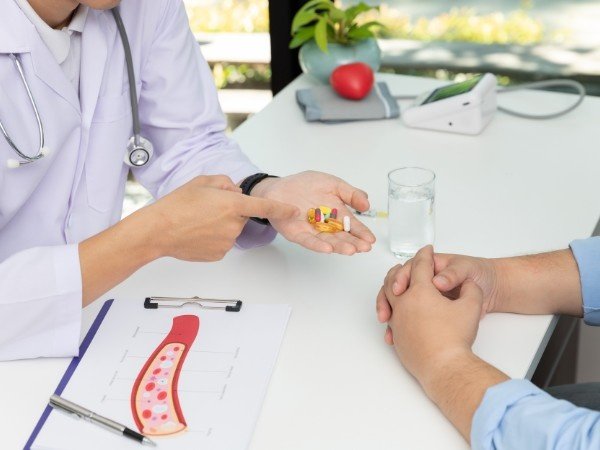
Apart from medical solutions, doctors and healthcare professionals also advocate lifestyle changes and holistic practices. They advise patients on dietary changes and a healthier lifestyle, including regular exercise and sound sleep habits, which also help manage menopausal symptoms. Some health centers also provide access to several resources, such as dietary changes and pelvic floor physiotherapy. Emotional support related to psychology is also a priority in health centers, as some centers offer CBT or counseling related to low concentration issues.
In practice, menopause symptom management in top clinics is a holistic process. Patients may have phone check-ins or online portals to track progress. Clinics sometimes use symptom diaries or apps to monitor sleep, mood, and hot flashes, adjusting treatment plans as needed. The aim is to empower women with tools and strategies for daily coping, not just quick fixes.
Choosing the Right Menopause Clinic in London
When selecting a menopause clinic in London, consider the following:
- Specialist credentials: Check that clinics have the appropriate accredited specialists. You can find BMS-accredited menopause specialists using the online directory below, which allows you to search by postcode. GPs and consultants who achieve BMS accreditation can demonstrate a high level of competence in managing the menopause. Many clinics associated with large NHS hospitals or prominent private women’s health groups will have such a specialist on their lists, and this may be reassuring.
- Range of services: The ideal clinic offers both medical and supportive services. Check whether they provide, psychological support, nutritional advice, and possibly physical therapy. Some London clinics host combined clinics (for example, joint gynaecology-and-menopause clinics) so you see the right experts without multiple visits. This kind of multidisciplinary care can simplify your journey.
- Evidence-based practice: Ensure the clinic follows current guidelines. For example, it should align treatments with NICE NG23 on menopause and relevant BMS or RCOG recommendations. Ask if they regularly update their protocols. A trusted menopause clinic will base its treatments on published research (for instance, prescribing HRT within recommended dose ranges and avoiding unproven “bioidentical” hormone mixtures).
- Patient-centered approach: One significant aspect of a clinic is listening to and involving you in decisions. Look for reviews or patient testimonials regarding clear communication and empathy; the best clinics make their female patients feel respected and empowered. Many London clinics insist on shared decision-making and provide educational materials to ensure your questions are answered at every stage.
- Accessibility and support: Think about logistics. NHS menopause services often require a GP referral and may have waiting lists, whereas private clinics usually allow self-referral or quicker appointments. Some patients prefer the convenience of going private, even though they pay for the privilege, whereas others are happy to be seen by NHS specialists. Find out if the clinic offers flexible hours or online booking. Notably, a few London clinics even run my menopause support helplines or offer nurse advice lines-a bonus for when you have quick queries between visits.
- Special needs: If you have specific concerns (e.g., premature menopause, high-risk conditions, or a preference for natural approaches), ask whether the clinic has expertise in that area. London’s specialist centres are more likely to handle rare or complex cases with tailored protocols.
Finally, remember that menopause is part of overall midlife health. Effective clinics often coordinate with your GP and other specialists (e.g., cardiology, endocrinology). Integrating menopause care into your broader health plan is a hallmark of comprehensive women’s health and menopause services.
Standards, Guidelines, and Support
Robust professional standards underpin menopause care in the UK. NICE’s guideline NG23 (last updated 2024) outlines how to identify and manage menopause, with a focus on patient information and support individualized. This covers everything from diagnosis to advice on long-term health, including bones and the heart, and even workplace issues. UK bodies such as the Royal College of Obstetricians and Gynaecologists (RCOG) and the Faculty of Sexual and Reproductive Health also provide guidance and training in menopause care.
Genuine London clinics ensure they remain up to date with these clinical standards. Many offer menopause courses (such as BMS’s “Principles & Practice” or RCOG modules) or engage in other forms of clinical improvement. Some clinics may also engage in research or audits. This is important because it means the best centers do more than ensure they are following the latest clinical advice; they also help set the tone for the future.
For patients, this ensures confidence. Knowing your clinic follows evidence-based protocols (rather than outdated advice) is reassuring. For healthcare professionals, referring a patient to these specialist services aligns with the latest UK guidelines. In sum, London’s best menopause clinics combine official recommendations with extensive experience.
Sources:
- Support for people experiencing menopausal symptoms – House of Commons Library https://commonslibrary.parliament.uk/research-briefings/cdp-2021-0078
- Overview | Menopause: identification and management | Guidance | NICE https://www.nice.org.uk/guidance/ng23
- Find a BMS-recognised Menopause Specialist – British Menopause Society https://thebms.org.uk/find-a-menopause-specialist/
- Recommendations | Menopause: identification and management | Guidance | NICE https://www.nice.org.uk/guidance/ng23/chapter/Recommendations
- Menopause – Treatment – NHS https://www.nhs.uk/conditions/menopause/treatment/