
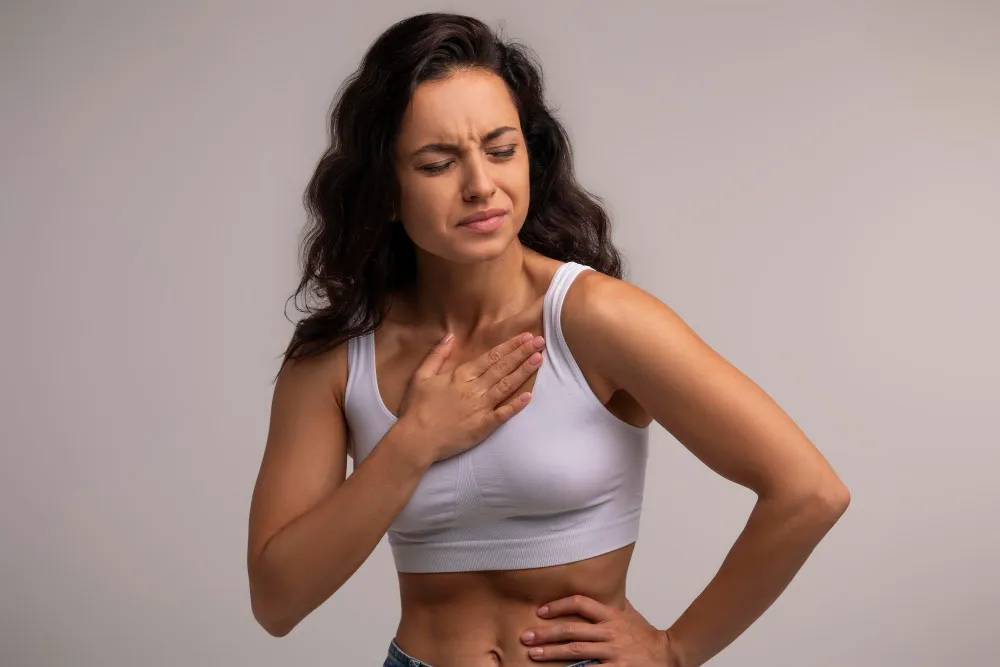
Sore, tender, or aching breasts can be an unexpected part of the menopause journey. For some people, it feels like a dull heaviness. For others, it is a sharp sting when taking a bra off, hugging someone, or going downstairs. It can also trigger worry, especially if you have never had breast pain before.
The reassuring news is that breast soreness during perimenopause and menopause is usually linked to regular hormone changes. That said, breast pain is still worth taking seriously because sometimes it can be caused by something else, and a small number of symptoms need a GP check.
Quick Answer (Most People Want This First)
Breast soreness around menopause is most often caused by hormone ups and downs, especially in perimenopause. The breast tissue can become more sensitive, swollen, or tender. Many people improve with a well-fitting, supportive bra, simple pain relief (if safe for you), and by identifying triggers such as bra pressure, exercise impact, or starting HRT.
You should book a GP appointment if the pain lasts more than a few weeks, keeps returning, or is getting worse. Seek urgent medical advice if you notice a new lump, nipple changes, skin dimpling, a hot, red, swollen breast, fever, or unusual nipple discharge.
What Breast Pain in Menopause Can Feel Like
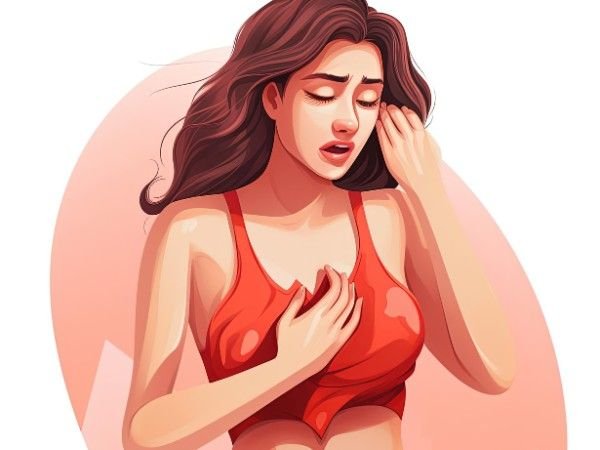
Breast pain is not one single sensation. You might notice:
- Tenderness when touched, especially on the sides of the breasts
- Heaviness or fullness, like a tight pressure
- Aching that comes and goes
- A burning feeling or a sharp twinge in one area
- Pain that spreads towards the armpit, which can be linked to breast tissue or chest wall strain
One breast or both breasts?
Hormone-related pain is often in both breasts, but not always. One-sided pain can still be benign, but it warrants closer attention if it is new, persistent, or localized.
Why can it still happen even if your periods have stopped
Perimenopause often brings the most significant hormone swings. After periods stop, hormone levels are generally lower and steadier. However, breast pain can still happen due to breast tissue sensitivity, HRT, medication side effects, infection, cysts, or chest wall and muscle strain.
Why Menopause Can Cause Sore Breasts
Your breasts are sensitive to hormones, especially oestrogen and progesterone. During perimenopause, these hormones can rise and fall unpredictably. This can lead to:
- Fluid changes in breast tissue, causing swelling and tenderness
- Changes in breast ducts and glands, making tissue feel more “reactive.”
- Increased sensitivity, where normal pressure feels painful
Some people notice breast soreness just before a period. In perimenopause, the pattern can become messy so that tenderness can appear without a clear cycle.
My Menopause Support can help you understand what’s normal in menopause, what needs checking, and what to do next.
Book a Menopause Consultation
Common Causes of Sore Breasts During Menopause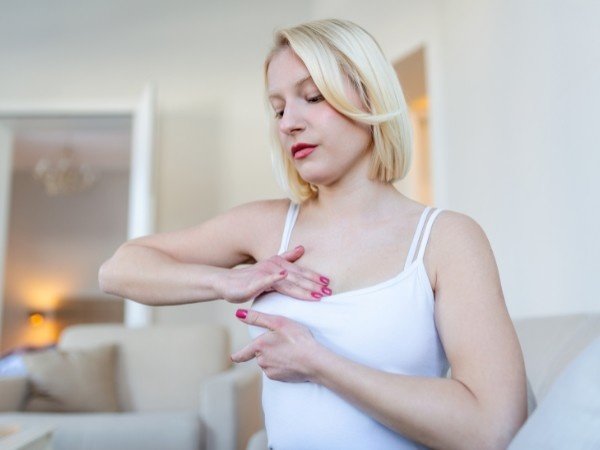
Below are the most common reasons, starting with the most common.
1) Hormone fluctuations in perimenopause
This is the classic cause. Symptoms may come in waves and settle again.
2) HRT (Hormone Replacement Therapy)
If you start HRT, breast tenderness can happen, especially in the early months or after a dose change. It does not automatically mean something is wrong, but it does mean you should keep an eye on the pattern and talk to your GP if it persists or worries you.
3) A poorly fitting bra
This is more common than people think. Menopause can also change body shape and breast tissue, so an old bra size may no longer suit you. Pressure from an underwire or tight band can trigger soreness that feels like “breast pain” but is actually pressure and friction.
4) Chest wall or muscle strain
Pain around the breast can come from the muscles and ribs underneath, especially if:
- It hurts more when you move, twist, lift, or press certain areas
- You have recently changed exercise routines
- You have been carrying heavy bags (standard for commuters in London)
5) Breast cysts or benign lumps
Cysts can cause a localised ache or a tender area. Many are harmless but should be assessed if new.
6) Infection or inflammation
A hot, red, swollen, painful breast, sometimes with fever, needs urgent medical advice. This can happen even if you are not breastfeeding.
7) Medication side effects
Some medicines can contribute to breast tenderness. If your symptoms started after a medication change, note it down and discuss with your GP or pharmacist.
Triggers That Make Breast Pain Worse (Real Life Pain Points)
People often ask, “Why is it worse some days?” Common triggers include:
- High impact movement (running, jumping, brisk stairs on the Tube)
- Underwire pressure or tight straps
- Stress and poor sleep, which can lower your pain tolerance
- Caffeine and alcohol, which may worsen symptoms in some people, even if not everyone
- Weight changes, which can affect breast support and sensitivity
Instead of cutting everything at once, it is usually better to track patterns for 1 to 2 weeks and change one thing at a time.
A Simple Self Check: Is It Likely Breast Tissue or Chest Wall?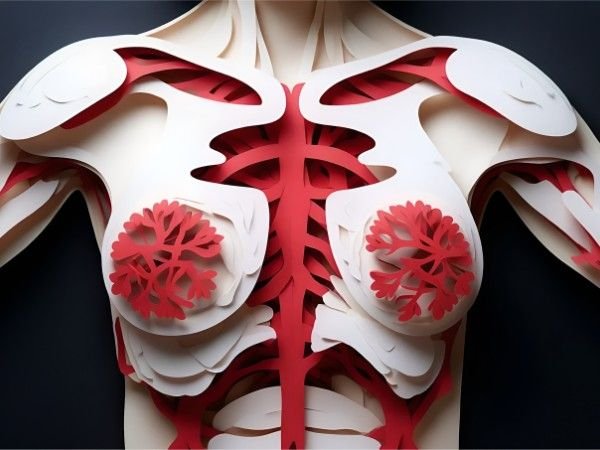
This is not a diagnosis, but it can guide your next step.
- If the pain changes with movement (twisting, lifting, pressing on the ribs), it may be chest wall- or muscle-related.
- If the pain is more diffuse across the breast and is accompanied by tenderness, fullness, or sensitivity, it may be breast tissue.
- If the pain is in one precise spot or you feel a new lump, get checked.
When in doubt, book a GP appointment. You are not wasting anyone’s time.
Relief Tips That Actually Help (Step-by-Step Plan)
Step 1: Fix the breast support first
Support is often the biggest quick win.
- Get a proper bra fitting if you can
- Try a soft, supportive bra at home, and a supportive sports bra for activity
- Avoid bras that dig into the sides or leave deep marks
Tip: If soreness is worse at the end of the day, your bra may be part of the problem.
Step 2: Use cold or warmth
Both can help. Choose based on what feels better.
- Cold pack: best for swelling, sharp tenderness, or after activity
- Warm compress: best for aching, muscle tension, or discomfort that feels “deep.”
Use 10 to 15 minutes at a time, with a cloth layer to protect skin.
Step 3: Consider simple pain relief (if safe for you)
For many people:
- Paracetamol can help with general soreness
- Ibuprofen can help when inflammation or chest wall strain is involved
If you have stomach ulcers, kidney disease, take blood thinners, have asthma triggered by anti-inflammatories, or are pregnant, check with a pharmacist or GP first.
Step 4: Reduce friction and pressure
Small habits make a difference:
- Avoid heavy shoulder bags on one side
- Use a cushion for seat belt pressure if needed
- Sleep in a soft, supportive bra if night pain is waking you (not everyone needs this, but some find it helpful)
Step 5: Review the exercise rather than stopping it
Movement is good for menopause health, but you may need a short adjustment:
- Swap high-impact workouts for low-impact workouts for 1 to 2 weeks
- Add stronger support during exercise
- If the pain is chest wall-related, gentle stretching and posture work can help
Step 6: If you are on HRT
Breast tenderness can happen early on. What matters is the trend.
- If it is mild and settling, you may monitor it
- If it is persistent, worsening, or affecting daily life, book a GP review
- If you notice new breast changes (lump, nipple change, skin change), get checked promptly
Do not stop HRT suddenly without medical advice unless you have been told to do so.
Step 7: Be cautious with supplements
Some people try evening primrose oil or similar products. Evidence is mixed, and results vary. If you want to try supplements:
- Speak to a pharmacist first, especially if you take other medicines
- Please give it a fair trial (several weeks)
- Stop if you get side effects
A Quick Decision Table
What you notice, Most likely causes, What to do today, When to see a GP
| What you notice | Most likely causes | What to do today | When to see a GP |
| Both breasts tender, comes and goes | Hormone changes, HRT, bra pressure | Supportive bra, cold or warm pack, track symptoms | If it lasts more than a few weeks or worsens |
| One area sore, worse with movement | Chest wall or muscle strain | Rest from heavy lifting, supportive bra, simple pain relief | If it persists, or you are unsure |
| New lump or thickening | Many causes, needs assessment | Book GP appointment | As soon as you notice it |
| Hot, red, swollen breast, fever | Infection or inflammation | Seek urgent medical advice | Same day |
| Nipple discharge (especially bloody) | Needs assessment | Seek GP advice promptly | As soon as you notice it |
| Skin dimpling, new nipple inversion | Needs assessment | Book urgent GP review | As soon as you notice it |
When to See a Doctor (London Focus)
Book a GP appointment if:
- Pain lasts longer than 2 to 4 weeks
- Pain keeps returning and is affecting your routine
- It is getting worse, more localised, or different from your usual pattern
- You have started or changed HRT, and soreness is not settling
Seek urgent medical advice if you have:
- A new lump in the breast or armpit
- Skin changes such as dimpling or a new “orange peel” look
- Nipple changes, new inversion, or persistent rash around the nipple
- Unusual nipple discharge, especially bloody
- A hot, red, swollen breast, fever, or feeling unwell
What usually happens in London (NHS pathway)
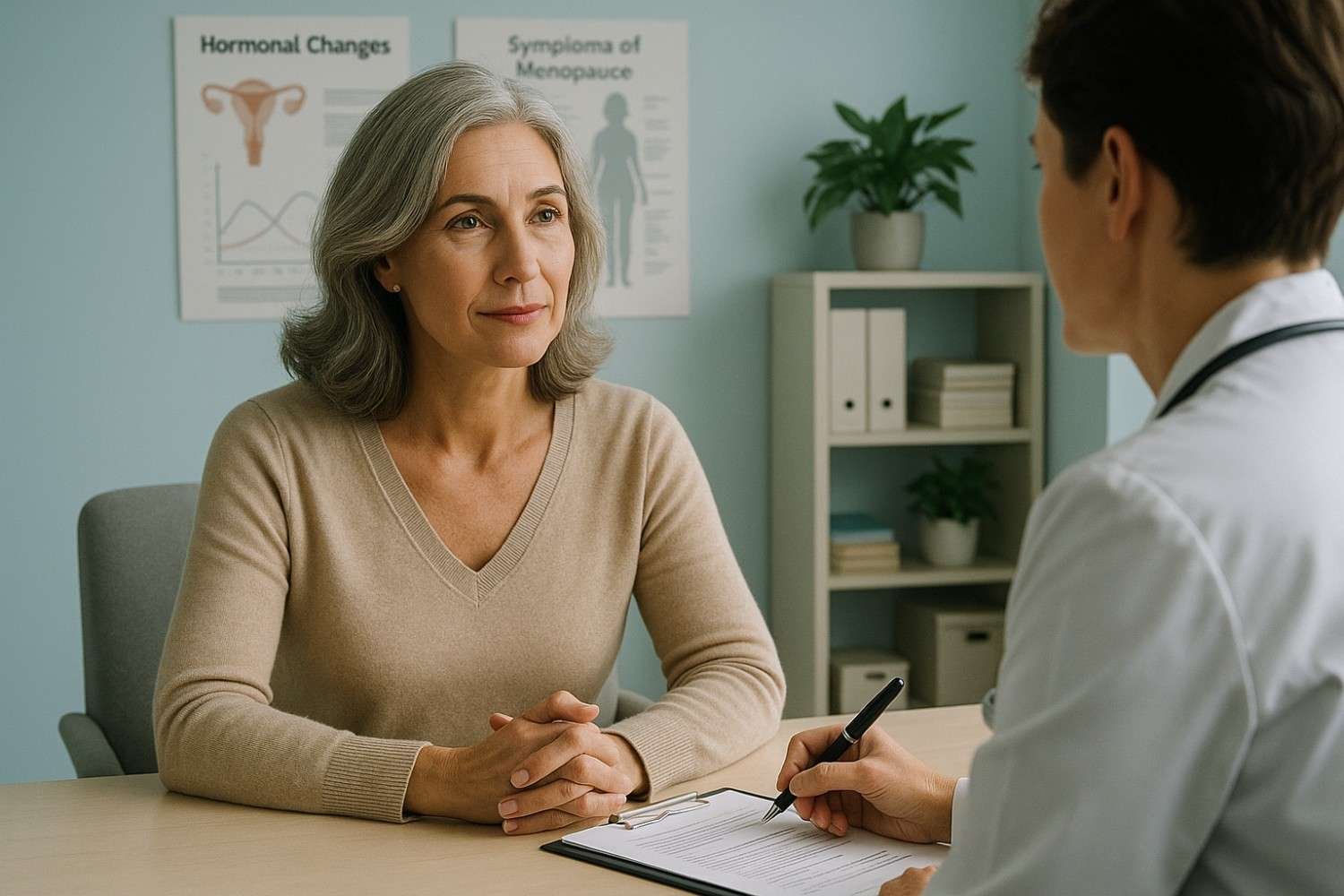
In most cases, you start with your GP. They will:
- Ask about symptoms, timing, medicines, and family history
- Examine your breasts and underarm area
- Decide whether you need a referral to a breast clinic
If referred, you may have imaging such as an ultrasound or mammogram, depending on age and clinical findings. Many people are reassured after assessment, especially when pain is the only symptom, but it is still essential to get checked when symptoms are new or persistent.
Breast Screening in London (Important Clarity)
Routine breast screening is not the same as checking for a symptom.
- Screening is for people without symptoms who the NHS invites within a specified age range.
- Symptom checks are for anyone with a concern at any age, and start with a GP.
If you have breast pain plus any warning signs, do not wait for a screening invitation. Book a GP appointment.
7 Day Symptom Tracker (Helps Your GP Help You Faster)
Use a simple note on your phone for one week:
- Where is the pain? (left, right, both, one spot)
- Pain score (0 to 10)
- What were you wearing? (bra type, underwire, sports bra)
- Activity (walking, gym, lifting bags, long commute)
- Sleep and stress level (low, medium, high)
- Any HRT changes or new medicines
- Any other breast changes (lump, discharge, skin change)