If you are Googling “when menopause will start”, you are usually trying to figure out one thing: what you are feeling normal, and where you are in the timeline.
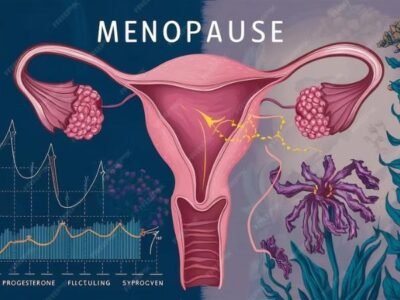
Here is the key point that clears up most confusion. What most people call “menopause starting” is actually perimenopause, the lead-up phase where hormones begin to fluctuate and symptoms may show up. Menopause itself is a point in time, not a long phase.
What “Menopause Starting” Really Means
Perimenopause
Perimenopause is the transition stage before menopause. This is when your oestrogen levels can go up and down, periods can become irregular, and symptoms may begin. For many women, this is the moment they feel, “Something has changed.”
Menopause
Menopause is confirmed when you have had 12 months in a row with no periods (no bleeding or spotting), and there is no other medical reason for it.
Postmenopause
Postmenopause is the stage after menopause. Some symptoms settle, while others can continue for a while, depending on the person.
When Menopause Will Start for Most Women
Most women start the transition sometime in their 40s, and the typical window where many notice changes is 45 to 55. Menopause (the 12-month no-period mark) often happens around the early 50s on average, but your personal timing can be earlier or later.
A simple way to think of it:
- Perimenopause can start in your 40s (sometimes late 30s)
- Menopause is usually reached in the late 40s to 50s for most women
There is a wide “normal” range, so comparing yourself to a friend or relative can be misleading. Your body follows its own pattern.
How long does menopause last?
Menopause is not a one-month event. For many women, it lasts several years. Symptoms can come and go, and your cycle may be unpredictable. Some months you might feel fine, then it returns again. That up-and-down experience is very common.
Early Signs That Menopause Is Starting
For most women, the first clue is a change in periods. After that, symptoms can vary a lot. Some have a few mild changes, others have symptoms that affect sleep, work, and mood.
1) Period changes
This is often the earliest sign:
- periods coming earlier or later than usual
- heavier or lighter flow
- missed periods, then a normal period again
- spotting between cycles
2) Hot flushes and night sweats
You may feel a sudden wave of heat, flushing in the face and chest, or sweating at night that disrupts sleep.
3) Sleep problems
You might struggle to fall asleep, wake up at 3 am regularly, or feel tired even after a full night in bed.
4) Mood changes
Some women notice:
irritability
feeling more emotionally sensitive
This does not mean “it’s all in your head”. Hormone shifts plus poor sleep can make mood harder to manage.
5) Brain fog and concentration issues
You might forget words, lose focus more easily, or feel mentally slower than usual. This can be scary, but it is a common complaint during perimenopause.
6) Body and skin changes
Some women notice weight changes, especially around the middle, as well as drier skin or hair changes.
Early Menopause and Premature Menopause
Sometimes menopause starts earlier than expected.
Early menopause
When menopause happens before age 45.
Premature menopause
When menopause happens before age 40.
If you are under 45 and you are having strong symptoms with cycle changes, it is worth speaking to a GP sooner rather than later, because early menopause can affect bone and heart health over time.
What Affects When Menopause Will Start
There is no single cause for timing, but a few factors matter more than others.
Family history
If your mother or older sisters reached menopause early, you may be more likely to do the same. This is often one of the best clues you have.
Smoking
Smoking is linked with earlier menopause and can worsen symptoms for some women.
Medical and surgical reasons
Menopause can start earlier after:
- removal of ovaries
- chemotherapy or radiotherapy
- certain medical conditions that affect ovarian function
Your periods were never regular
If you have always had irregular cycles, it can be harder to spot the start of perimenopause. Tracking symptoms becomes more helpful in this case.
How to Know If You Have Reached Menopause
The clearest definition is still the simplest.
You are considered to have reached menopause after:
- 12 consecutive months without a periodIf you are using hormonal contraception, have a hormonal IUD, or have had a hysterectomy, it may not be as straightforward to use periods as the marker. In those situations, a clinician may look at your age, symptoms, and medical history, and sometimes use blood tests if needed.
Do You Need a Test to Confirm Menopause
Many women do not need testing. Often, a GP can identify perimenopause based on:
- your age
- your cycle pattern
- your symptoms
However, tests may be considered when:
- symptoms start at a young age (especially under 45)
- your symptoms are severe and you want clarity
- there are other health concerns that could mimic menopause
When to See a GP
You do not have to “push through” symptoms. Get support if you feel it is affecting your daily life.
Speak to a GP if:
- you are under 45 and think perimenopause has started
- bleeding is unusually heavy, frequent, or happens after sex
- you have bleeding after months without a period
- symptoms are impacting sleep, work, confidence, or relationships
- you are feeling persistently low or anxious
These checks are not about panic. They are about ruling out other causes and helping you feel better faster.
What You Can Do Right Now If You’re Unsure
If you are trying to figure out when menopause will start for you, do this for 4 to 6 weeks:
- Track your periods (dates and flow changes)
- Note hot flushes, night sweats, sleep quality, and mood
- Write down anything that feels new or “not like you”
- Take that summary to your GP if you need help
A short symptom log often makes the conversation with a clinician much clearer.