
Of all the common symptoms of perimenopause, hot flushes and brain fog get the most attention. But in my clinic, one of the most distressing and often embarrassing symptoms women report is relentless itching.
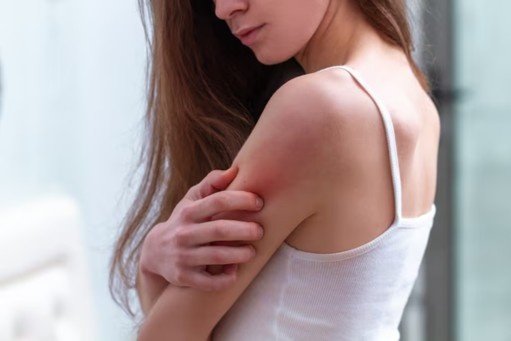
It might start as a mild dryness on your shins. Then, you might notice an itchy back perimenopause seems to trigger out of nowhere. For some, it escalates to a sensation of insects crawling on the skin (known medically as formication), or intense perimenopause vaginal itching that makes sitting uncomfortable.
You are not imagining it, and it is not “just dry skin.” It is a direct result of the hormonal fluctuations happening in your body.
If you are scratching your skin raw or waking up in the night to itch, this guide is for you. We will explore the science behind perimenopause itchy skin causes, the link to histamine, and the most effective menopause itching treatment strategies backed by the British Menopause Society (BMS).
Why Does Perimenopause Make You Itch?
To stop the itch, we first need to understand the root cause. It essentially boils down to one key hormone: Estrogen.
Estrogen is not just a reproductive hormone; it is a critical player in skin health. It is responsible for:
- Collagen Production: Estrogen stimulates the production of collagen and elastin, the proteins that keep skin plump and resilient.
- Oil Production: It helps maintain natural skin oils and hyaluronic acid, which hold moisture in the skin barrier.
- Barrier Function: A healthy skin barrier keeps irritants out and moisture in.
During perimenopause, estrogen levels fluctuate wildly and then eventually drop.
The Result:
- Collagen Loss: We lose up to 30% of our skin’s collagen in the first five years of menopause. The skin becomes thinner and more fragile.
- Dryness (Xerosis): With less natural oil, the skin barrier weakens. This is known as “trans-epidermal water loss.” The skin can no longer hold onto water, leading to the “dry, flaky” itch.
- Sensory Changes: The nerves in the skin become more sensitive, leading to abnormal sensations like burning or crawling (formication).
The Hidden Culprit: Histamine and Hormones
Many women tell me, “I’ve never had allergies before, but now I’m allergic to everything!”
This is a specific type of hormonal itching perimenopause brings, often linked to histamine intolerance. Estrogen and histamine have a complex relationship.
- Estrogen stimulates mast cells (immune cells) to release histamine.
- Normally, an enzyme in your gut called DAO breaks this histamine down.
- However, when hormones fluctuate, this balance is disrupted. You may produce more histamine or break it down less efficiently.
This can lead to random hives, welts, or a “prickly heat” sensation, especially after eating high-histamine foods (like aged cheese or wine) or during stressful moments.
Types of Perimenopause Itching
Itching can manifest in different ways, and identifying where you itch helps us treat it.
1. General Body Itching (Pruritus)
This often affects the limbs, back, and chest. It feels like a deep, unscratchable itch. Women often report an itchy back perimenopause symptom that worsens at night (nocturnal pruritus).
2. Formication (The “Crawling” Sensation)
This is a hallmark symptom of menopause. It feels like ants or spiders are walking on or under your skin. It is not a hallucination; it is a sensory misfire caused by changing hormone levels affecting the nerve endings in the skin.
3. Vulval and Vaginal Itching
This is distinct from body itching. Perimenopause vaginal itching is usually caused by the thinning of the vulval tissues (Atrophy/GSM). The tissues become pale, thin, and dry, making them incredibly susceptible to irritation from urine, sweat, or friction.
How to Stop the Itch: Lifestyle & Skincare
Before we jump to medication, repairing the skin barrier is the first line of defence.
- Upgrade Your Moisturiser: Standard lotions are often too watery (high water content evaporates quickly). You need “occlusive” moisturisers that trap water in.
- Look for ingredients like Ceramides, Urea, and Hyaluronic Acid.
- Tip: Apply moisturiser within 3 minutes of getting out of the shower, while skin is still damp. This locks the moisture in.
- Change Your Shower Habits: Hot water strips natural oils.
- Switch to lukewarm water.
- Avoid soap on the body. Use a soap-free, emollient wash (like E45 or Aveeno).
- Never use soap on the vulva. Water or a specific emollient wash is sufficient.
- Fabric Choices: Synthetic fabrics (polyester, nylon) trap heat and sweat, which triggers histamine and irritation. Switch to breathable layers like cotton, bamboo, or silk, especially for sleepwear.
- The “Soak and Seal” Method: For severe body itching, take a lukewarm bath with colloidal oatmeal (available at pharmacies). Soak for 15 minutes, pat dry gently (don’t rub), and immediately apply a thick emollient cream.
Diet and Supplements for Itchy Skin
Addressing inflammation from the inside can help reduce skin itching during perimenopause.
- Omega-3 Fatty Acids Omega-3s (found in fish oil, flaxseed, walnuts) are crucial for maintaining the skin’s oil barrier. A high-quality Omega-3 supplement can help reduce systemic inflammation and improve skin hydration.
- Hydration It sounds simple, but as we age, our thirst mechanism blunts. Drink at least 2 litres of water daily to support skin turgor.
- Low Histamine Diet (Trial) If you notice you get hives or flushing along with the itch, try reducing high-histamine foods for 2 weeks to see if it helps.
- Reduce: Red wine, aged cheeses, fermented foods, cured meats.
- Increase: Fresh foods, vitamin C (a natural antihistamine).
Medical Treatments: What Actually Works?
If lifestyle changes aren’t enough, we look at medical menopause itching treatment options. As a specialist, here is what I typically prescribe or recommend:
1. Hormone Replacement Therapy (HRT)
Since the root cause is estrogen deficiency, replacing the estrogen is the most effective way to stop the itch for many women.
- Systemic Estrogen (Patches/Gel/Spray): This restores collagen production and skin thickness. Many women report that their “crawling skin” sensation disappears within a few weeks of starting HRT.
- Note: It takes time. While flushes stop quickly, skin changes can take 3-6 months to fully reverse.
2. Vaginal Estrogen (Local HRT)
For perimenopause vaginal itching, systemic HRT is sometimes not enough. You may need localized estrogen (pessaries, creams, or rings).
- This is exceedingly safe and can be used alongside systemic HRT.
- It plumps up the vulval tissues, restores the correct pH, and stops the itching and burning associated with GSM.
3. Antihistamines
If your itching is related to the histamine spikes mentioned earlier, a non-drowsy antihistamine (like fexofenadine or cetirizine) taken during flare-ups can be very effective. Some specialists recommend a higher dose at night to help with sleep if the itch is keeping you awake.
4. Testosterone Replacement
For some women, adding testosterone (which we naturally lose alongside estrogen) can further improve skin oil production and thickness. This is a specialist decision usually made after estrogen is optimised.
When to See a Doctor (Red Flags)
While perimenopause itchy skin causes are usually benign, persistent itching can sometimes signal other health issues. In the UK, we follow NICE guidelines which suggest investigating itching if it is unexplained.
See your GP if:
- The itching is severe and affects your whole body without a rash.
- You have noticed yellowing of the skin or eyes (jaundice).
- You are losing weight unintentionally.
- You have increased thirst and urination (to rule out diabetes).
- The itching is localized to a mole or specific spot that has changed shape.
We may run blood tests to check your:
- Thyroid function: Thyroid disorders are common in perimenopause and cause dry, itchy skin.
- Iron levels (Ferritin): Iron deficiency can cause itching (pruritus).
- Liver and Kidney function.
Summary: You Don’t Have to Just “Live With It”
Itching can be torture. It affects your sleep, your mood, and your confidence. But it is a treatable physiological symptom of perimenopause.
My Step-by-Step Plan for Relief:
- Repair the barrier: Switch to soap-free washes and urea-based creams immediately.
- Soothe the system: Stay hydrated and consider an Omega-3 supplement.
- Treat the root cause: If the itching is impacting your quality of life, discuss HRT with a menopause specialist. Restoring estrogen is often the “off switch” for the crawling sensation.
- Treat the vulva specifically: Don’t suffer with vaginal itch; local estrogen is safe and effective.
If you are looking for specific Perimenopause Support & Treatment, ensure you speak to a clinician who understands the skin-hormone connection.
Book appointment confidential menopause skin check Is itching keeping you awake? Let’s find the cause. Book a consultation today to discuss your skin and hormone health.
Frequently Asked Questions
Why is my skin so itchy during perimenopause?
It is primarily due to dropping estrogen levels. Estrogen controls collagen production and skin moisture. When it falls, skin becomes thinner, drier, and the nerves become hypersensitive, leading to itching and “formication” (crawling sensations).
Will HRT stop the itching?
For the majority of women, yes. By replenishing estrogen levels, HRT improves skin hydration, thickness, and elasticity. It usually resolves the “crawling” sensation, though it may take a few months of treatment to see full results.
What is the best cream for menopause itching?
Look for creams containing Urea (which exfoliates and hydrates), Ceramides (which rebuild the barrier), or Colloidal Oatmeal (which soothes inflammation). Avoid highly fragranced lotions as these can irritate sensitive menopausal skin.
Is itchy skin a symptom of high or low estrogen?
It is typically a symptom of low estrogen. However, during perimenopause, hormones can swing high and low. High estrogen can sometimes trigger histamine release (allergies), while low estrogen causes dryness. Both can lead to itching.
Can perimenopause cause itching in private parts?
Yes, this is very common. It is called Genitourinary Syndrome of Menopause (GSM). The tissues of the vulva and vagina become thin and dry without estrogen. This is distinct from thrush or infections and is best treated with local vaginal estrogen.
Does magnesium help with itchy skin?
Magnesium is excellent for stress and sleep, which can indirectly help itching (as stress worsens histamine reactions). However, for the itch itself, Omega-3s and direct skin hydration are more effective.
Sources & Guidelines
- British Menopause Society (BMS): Skin and Hair Changes
- https://thebms.org.uk
- NHS: Menopause Symptoms
- https://www.nhs.uk/conditions/menopause/symptoms/
- Primary Care Dermatology Society (PCDS): Pruritus (Itch)
- https://www.pcds.org.uk/clinical-guidance/pruritus-without-a-rash
- The Menopause Charity: Skin Changes
- https://www.themenopausecharity.org/cms/wp-content/uploads/2021/04/Skin-Changes.pdf