
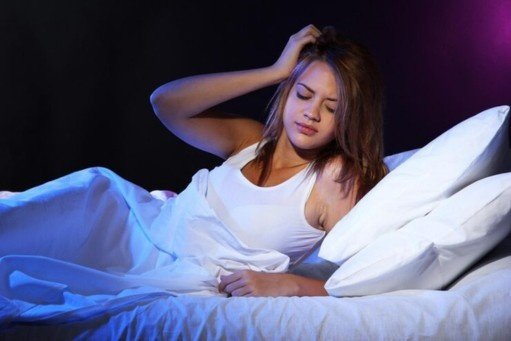
If you are reading this at 3:00 AM, kicking off the duvet while your partner sleeps soundly beside you, you are not alone.
One of the most frequent complaints I hear in my clinic is not just about hot flashes, but specifically about hot flashes at night menopause brings. You might manage fine during the day, perhaps fanning yourself occasionally, but as soon as your head hits the pillow, the heat turns up.
These nighttime hot flashes causes are more than just a nuisance; they are a major health disruptor. They fracture your sleep, leave you drenched in sweat, and often trigger a cycle of anxiety and fatigue that ruins the next day.
In this article, we will explore the science of why the body’s thermostat seems to break down after dark, differentiate between flashes and menopause night sweats, and look at effective treatments to help you reclaim your rest.
The Science: Why Does It Happen at Night?
To understand why this happens, we have to look at how your body regulates temperature (thermoregulation).
Your body has a “thermoneutral zone”—a temperature range where you don’t shiver and you don’t sweat. In perimenopause, due to fluctuating estrogen levels, this zone narrows drastically.
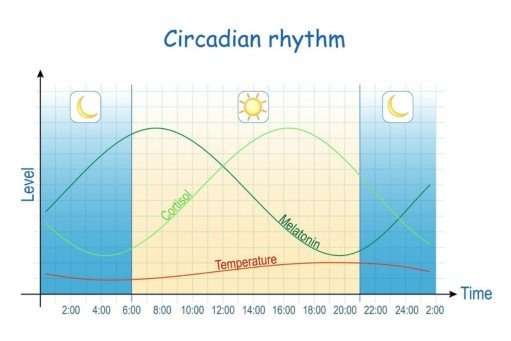
- The Circadian Drop: Naturally, your body temperature is programmed to drop in the evening to prepare you for sleep. This is part of your circadian rhythm.
- The Glitch: As your body attempts to lower its core temperature to induce sleep, your sensitive hypothalamus (the brain’s thermostat) misinterprets this drop. It panics, thinking you are too hot or too cold, and triggers a “heat release” mechanism—the hot flash—to cool you down further.
Why Are Hot Flashes Worse at Night?
- Estrogen and Norepinephrine: Estrogen influences key neurotransmitters like norepinephrine and serotonin, which regulate the hypothalamus. When estrogen drops, norepinephrine levels can spike.
- The Spike: This chemical surge narrows your comfort zone. A tiny change—like rolling over under a heavy duvet or the room being 1°C warmer—can trigger a massive “cooling” response: sweating and blood vessel dilation (flushing).
Night Sweats vs. Hot Flashes: Is There a Difference?
While often used interchangeably, there is a distinction.
- Hot Flashes: A sudden feeling of intense heat, flushing of the face and chest, often followed by chills.
- Night Sweats: These are severe hot flashes that happen during sleep, often causing drenching sweats that soak your pyjamas and sheets.
Perimenopause night sweats are particularly disruptive because they physically wake you up. You then have to get out of bed, change clothes, or change the bedding. This disruption prevents you from reaching deep REM sleep, leading to the severe brain fog and irritability often mistaken for depression.
Triggers That Make Nighttime Worse
Aside from the natural circadian rhythm, several factors can exacerbate hot flashes disrupting sleep:
- The “Insomnia Loop” Anxiety and hot flashes at night often feed into each other. You wake up hot, you worry about not sleeping, your cortisol (stress hormone) spikes, and this stress triggers another hot flash. It becomes a vicious cycle.
- Alcohol and Sugar That glass of wine in the evening might help you fall asleep, but alcohol is a potent vasodilator (widens blood vessels). It is a major trigger for night hot flashes. Similarly, a sugar spike before bed can disrupt hormonal regulation.
- Bedroom Environment Synthetic bedding (polyester), memory foam mattresses (which trap heat), and heavy duvets can artificially raise your skin temperature just enough to trigger the sensitive hypothalamus.
Chills After Hot Flashes at Night
Many women report freezing cold chills after hot flashes at night. This is known as the “shivering phase.” Because your body just worked incredibly hard to cool you down (by sweating and dilating blood vessels), your core temperature actually drops too low. You wake up soaked in cold sweat and shivering. This clammy, cold sensation is often more uncomfortable than the heat itself and makes falling back asleep difficult.
How to Stop Night Sweats: Medical & Lifestyle Solutions
You do not have to suffer through broken sleep. There are effective, evidence-based treatments available.
1. Hormone Replacement Therapy (HRT)
Replacing the missing estrogen is the most effective way to widen the thermoneutral zone.
- Body Identical Estrogen: Usually given as a patch, gel, or spray. This stabilizes the hypothalamus and can reduce hot flashes by up to 75-80% within weeks.
- Progesterone: If you have a uterus, you need progesterone. Micronised progesterone (Utrogestan) has a natural sedative effect and can significantly improve sleep quality when taken at bedtime.
2. Non-Hormonal Prescriptions
If you cannot take HRT, non-hormonal medications like low-dose antidepressants (SSRIs/SNRIs), gabapentin, or the new NK3 receptor antagonists (fezolinetant) can effectively target the temperature control center in the brain.
3. Cognitive Behavioural Therapy (CBT)
NICE guidelines recommend CBT specifically for menopausal symptoms. It doesn’t stop the flash, but it breaks the “anxiety-sweat-insomnia” cycle, helping you fall back asleep faster.
4. Practical “Cooling” Tactics
- Layering: Use cotton or bamboo sheets and layers rather than one thick duvet.
- The Chill Pillow: Keep a cooling gel pillow or a spare pillowcase in the freezer for when you wake up.
- Cold Water: Keep ice water by the bed. Sipping it can cool the body from the inside and signal the hypothalamus to stop the heat response.
When to Worry (Red Flags)
While menopause night sweats are common, drenching night sweats can sometimes be a sign of other conditions.
See your GP if:
- The sweats are new and you are not in the typical perimenopause age range.
- You have unexplained weight loss.
- You have a persistent fever or cough.
- You can feel swollen lymph nodes.
We always want to rule out thyroid issues or infections. However, in the vast majority of women over 40, this is a classic, treatable symptom of the menopausal transition.
Summary
Sleep problems during perimenopause are not a failure on your part; they are a biological response to a narrowing “thermostat.”
Whether through adjusting your evening routine, changing your bedding, or starting Menopause Insomnia Treatment like HRT, you can widen that comfort zone again. Sleep is the foundation of your health—don’t let the heat steal it from you.
Book appointment confidential menopause sleep review Tired of waking up soaked and shivering? Let’s discuss your options. Book a consultation today to get your sleep—and your life—back on track.